
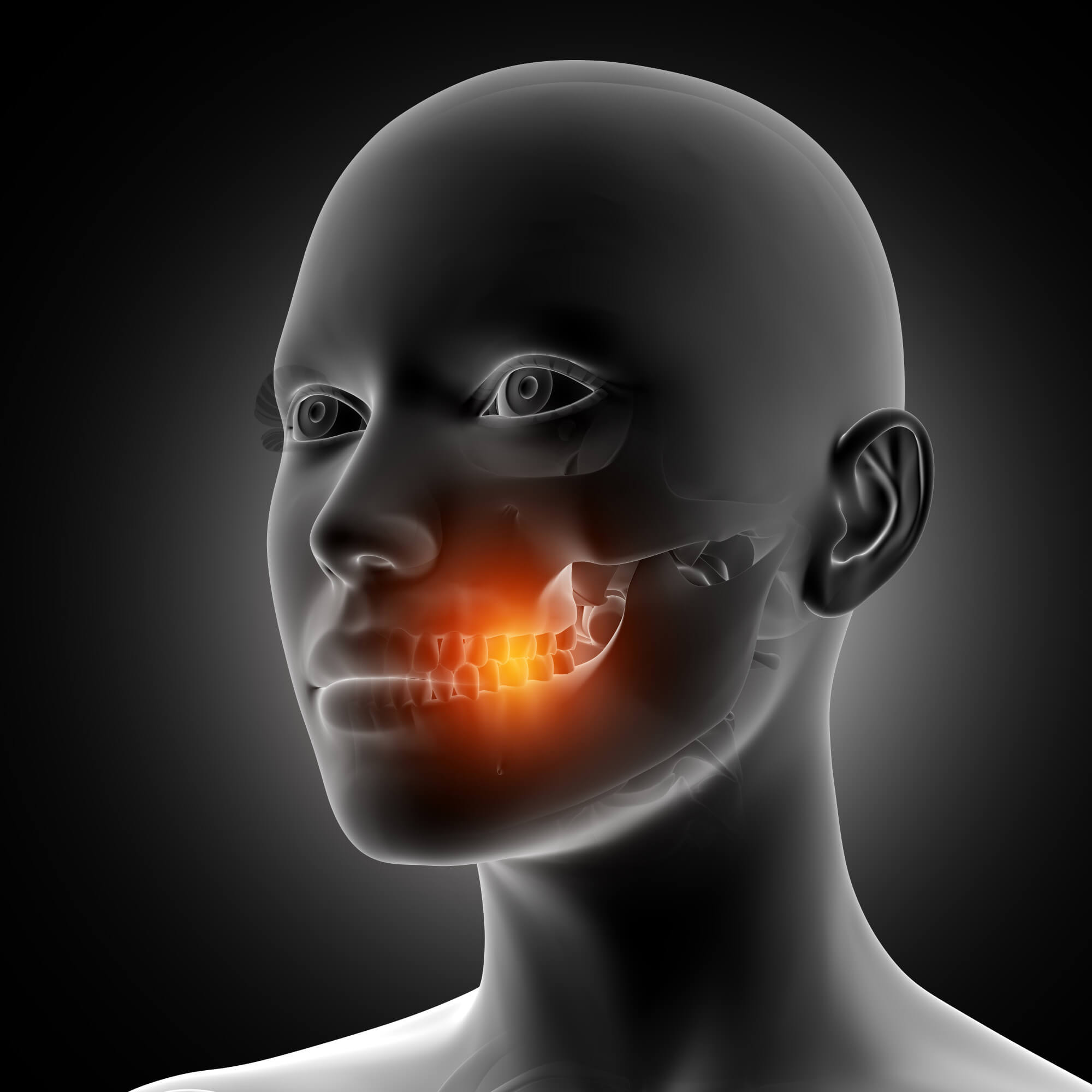
Dental problems rarely appear without warning. In many cases, your mouth provides early signs that something isn’t right, but these symptoms are often dismissed until they become painful or require urgent treatment. Recognising potential issues early can help prevent more serious complications and reduce the need for extensive dental work.
One of the most common warning signs is persistent tooth sensitivity, particularly when eating or drinking hot, cold, or sweet foods. While occasional sensitivity may not be serious, ongoing discomfort can indicate tooth decay, worn enamel, or an underlying dental problem. Bleeding gums during brushing or flossing should also never be ignored, as this can be an early indicator of gum disease.
Bad breath that persists despite regular brushing and mouthwash use may suggest bacterial buildup, gum infection, or tooth decay. Similarly, swelling around the gums, jaw, or face can signal an infection that requires professional attention. Dental infections rarely improve on their own and can worsen if left untreated.
Other symptoms to watch for include tooth pain, loose teeth, visible cracks or chips, and recurring mouth ulcers that do not heal within a reasonable timeframe. Changes in your bite or discomfort when chewing can also indicate underlying issues that should be assessed.
Seeking dental advice when symptoms first appear often leads to simpler, more affordable treatment and can help avoid the discomfort of a dental emergency. Regular check-ups remain one of the most effective ways to identify potential problems before they develop into more significant concerns.